EBT & SNAP information: State rules can differ, so verify important details with your state benefits agency.
Electronic Benefits Transfer • SNAP • Food Assistance

EBT Card Guide: Balance, Benefits & SNAP Help

Understand how an EBT card works, where SNAP benefits can be used, how to check your balance, what to do when a card is lost, and practical ways to protect your benefits.

Independent informational guide. This website is not a government agency and does not issue EBT cards or approve SNAP applications.

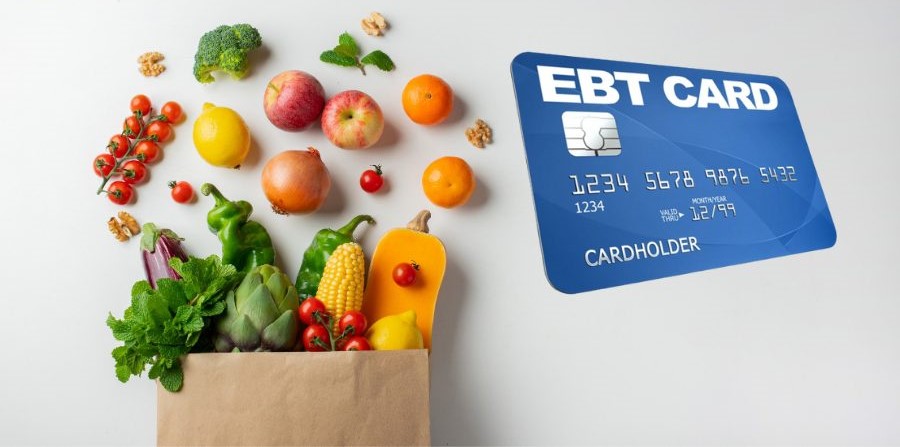
EBT card and benefits illustration
EBT Card Basics Use the guide below to find the right next step for your benefits account.
EBT Card Meaning

What Is an EBT Card?

EBT stands for Electronic Benefits Transfer. It is the electronic system used to deliver benefits such as SNAP food assistance and, in some states, cash assistance programs.

Think of the card as the access method

An EBT card works similarly to a debit card at participating retailers, but the funds come from authorized benefit programs rather than a traditional bank account. SNAP benefits are intended for eligible food purchases.

  • Benefits are loaded electronically to an account managed by a state agency.
  • SNAP and cash assistance can be tracked separately when both are available.
  • The card requires a PIN for purchases and account access functions.
  • Acceptance and program details can vary by state.

EBT vs. SNAP vs. TANF

EBT is the delivery system. SNAP provides food assistance to eligible households. TANF and other cash programs may provide funds for broader needs and can be delivered through an EBT cash account.

Some households may also receive benefits through other programs that use related electronic benefit systems. Always confirm which programs are loaded to your specific account.

How EBT Works

From Approval to Checkout

The process is generally straightforward, although deposit dates, card features, and customer-service procedures are set by state agencies.

Benefits are approved and loaded

After your application is approved and the benefit amount is determined, the state loads benefits to your EBT account on its scheduled cycle.

Choose an authorized retailer

Use your EBT card at SNAP-authorized stores and other participating retailers. Online participation depends on the retailer and state.

Select EBT and enter your PIN

At checkout, select the appropriate EBT account and enter your four-digit PIN. Keep the PIN private and shield the keypad.

Eligible purchases reduce the balance

The purchase amount is deducted from the applicable account. A receipt may show the remaining benefit balance.

Benefits reload on your schedule

SNAP benefits generally reload automatically according to your state's schedule. Check your official state account if a deposit is late or unexpected.

EBT Card Balance

How to Check Your EBT Card Balance

Keeping track of your balance can help prevent surprises at checkout. The exact tools available depend on the state that issued your card.

ReceiptMany stores print a remaining SNAP balance on the receipt after a purchase.
PhoneCall the customer-service number on the back of the card and follow the automated prompts.
Online PortalYour state may provide an online benefits portal or an ebtEDGE-style account for balance and transaction history.
Mobile AppSome states offer official mobile tools for checking balances, transactions, and benefit schedules.

Balance suddenly looks wrong?

Check your recent transactions and compare them with your receipts. If you see a charge you do not recognize, contact your state's EBT customer service immediately using a trusted official number.

Explore Assistance Resources

Affiliate disclosure: this button may open a third-party partner page. It is not an official state or federal EBT portal.

SNAP EBT Eligible

What Can You Buy With SNAP Benefits?

SNAP generally covers food intended for household consumption. The following examples come from the supplied source material; state implementation and retailer rules can vary.

Common eligible foods

  • Fruits and vegetables, including fresh, frozen, or canned products
  • Meat, poultry, fish, and other qualifying food items
  • Milk, cheese, yogurt, butter, and other dairy products
  • Bread, cereal, rice, pasta, and similar grains
  • Snack foods and non-alcoholic beverages
  • Seeds and plants that produce food for the household

Common non-eligible items

  • Alcohol and tobacco products
  • Vitamins, supplements, and medications
  • Pet food, cleaning supplies, paper goods, and hygiene products
  • Cosmetics and grooming products
  • Hot prepared foods or meals ready to eat at the point of purchase

A common hot-food question

SNAP eligibility is different for food that is sold hot and ready to eat. The supplied material gives a cold deli item or frozen meal as examples of items that can differ from hot prepared foods. Check current USDA and state guidance for specific products.

SNAP EBT Application

How to Get an EBT Card

An EBT card is generally issued after you apply for and qualify for SNAP, cash assistance, or another program delivered through EBT in your state.

Typical path

  1. Apply through your state's SNAP or benefits agency.
  2. Provide the information and documents requested by the agency.
  3. Wait for your eligibility decision and benefit amount.
  4. Receive the EBT card and activate it using your state's instructions.

Approval timelines, expedited processing, delivery times, and eligibility rules vary by state and household circumstances.

When your card arrives

  • Call the activation number printed on the card or use your state's official activation method.
  • Create or set your four-digit PIN and avoid obvious combinations.
  • Keep the card and PIN secure.
  • Check your balance and transaction history after activation.
EBT Card Replacement

Lost, Stolen, or Damaged EBT Card?

Act quickly if your card is missing or you notice suspicious activity. Replacement procedures and reimbursement rules can differ by state.

Steps to take immediately

Report the card

Use the official customer-service number on your card or state benefits paperwork to report a lost or stolen card.

Request a replacement

Your state can explain mailing, pickup, and any applicable replacement procedures or fees.

Protect the new card

Activate the replacement card, set a secure PIN, and review your recent transactions.

State-specific example: Massachusetts

The supplied Massachusetts source says replacement cards can be requested through the state's EBT customer service, DTA Connect, or a local DTA office. It also lists specific replacement fees and exemptions.

Do not apply Massachusetts procedures to another state without checking your own state's official rules.

View Massachusetts Guidance

1. Choose a participating retailer

Examples in the supplied material include Amazon, Walmart, Aldi, ShopRite, and other participating retailers.

2. Add your EBT card

Enter your EBT card details in the retailer's payment settings when EBT is supported online.

3. Pay eligible items with EBT

Non-eligible items generally need another payment method, and delivery or service charges may also require separate payment.

EBT Security

Protect Your EBT Card and Benefits

EBT fraud can include card skimming and phishing. Good account habits can help you catch unauthorized activity sooner.

Everyday security habits

  • Never share your PIN with callers, texts, or messages claiming to be benefits officials.
  • Shield the keypad when entering your PIN.
  • Do not write your PIN on your card or store it beside the card.
  • Check balances and transactions regularly.
  • Be cautious of unusual links, urgent texts, or account-lock messages.
  • Inspect card readers for signs of tampering before use.

What to do after suspicious activity

  1. Contact your state's EBT customer service using a trusted official number.
  2. Report unauthorized transactions as soon as possible.
  3. Ask about the process for changing or resetting your PIN.
  4. Keep records of suspicious transactions and any case numbers you receive.
Know the Difference

EBT Card vs. Bank Debit Card

An EBT card may look like a bank card, but its funding source, eligible purchases, and account rules are different.

FeatureEBT CardBank Debit Card
Funded byGovernment benefit programsPersonal bank account
Where acceptedAuthorized retailers for eligible benefitsTypically anywhere the network is accepted
Cash withdrawalsCash account only, when availableGenerally available from checking/debit funds
OverdraftBenefit balance cannot be spent below the available amountDepends on the bank and account settings
PINRequired for EBT purchasesCommon for debit purchases, depending on transaction
EBT Benefits & Resources

Benefits Beyond the Grocery Aisle

The supplied material describes possible discounts or connected assistance programs for eligible households, including museums, transportation, energy assistance, phone and internet services, education, and community support.

Museums & Culture

Some participating museums, zoos, aquariums, and cultural sites offer free or reduced admission to eligible EBT households.

Transportation

Some communities offer reduced transit, bike share, or other transportation programs tied to qualifying assistance.

Energy Assistance

SNAP households may also qualify for energy-support programs such as heating, cooling, or weatherization assistance.

Phone & Internet

Eligible households may qualify for Lifeline or other discounted connectivity programs, subject to program rules.

Education

Some assistance programs can connect eligible households to fee waivers, training, or employment-support resources.

Community Services

Local organizations may provide help with food, diapers, legal aid, childcare, pet services, and other necessities.

Visual Resources

Helpful EBT & Grocery Guides

These supplied images are included as visual references for card technology, benefit information, and SNAP-eligible grocery shopping.

Gold and silver EBT resource graphic
EBT Resource GraphicBenefit information and assistance visual.
Food assistance resource thumbnail
Food Assistance ResourceSupporting visual for SNAP and EBT education.
EBT chip technology card
Chip-Enabled EBT CardsVisual reference for newer EBT card technology.
Contactless payment with an EBT card
Contactless EBT PaymentsExample image of modern card payment technology.
Grocery items that may be purchased with EBT
Eligible Grocery ExamplesVisual reference for SNAP-eligible food categories.
FAQ

Frequently Asked EBT Card Questions

What does EBT stand for?

EBT stands for Electronic Benefits Transfer. It is the electronic system used to deliver benefits such as SNAP and some cash assistance programs.

Can I use my EBT card in another state?

The supplied sources state that EBT cards can be used at authorized SNAP retailers across state lines. However, eligibility and benefit cases remain tied to state programs, so contact your state agency when moving.

Can I get cash from my EBT card?

Only a cash-benefit account, such as TANF cash assistance when available, may support cash withdrawals. SNAP food benefits are intended for eligible food purchases and cannot be withdrawn as cash.

What should I do if my EBT card is lost or stolen?

Report it immediately through your state's EBT customer-service channel, request a replacement, and review your account for unauthorized transactions.

Why is my EBT card not working?

Possible causes include an incorrect PIN, insufficient balance, an ineligible item, an expired or damaged card, an unauthorized retailer, or a temporary terminal issue. Check your balance and contact official EBT support if the problem continues.

Do unused SNAP benefits roll over?

The supplied sources explain that unused benefits generally remain available rather than disappearing at the end of the month, but benefits can eventually be removed after extended inactivity under applicable rules. Check your state's policy.

Important: EBT and SNAP policies, deposit dates, eligibility requirements, card technology, replacement procedures, and participating retailers can differ by state and may change. This website is for general informational purposes and is not affiliated with, endorsed by, or operated by USDA, SNAP, or any state benefits agency. Use official government sources for applications, account logins, card replacement, and benefit decisions.