
EBT Card: Apply, Check Balance & Get Exclusive Discounts
Your complete guide to the Supplemental Nutrition Assistance Program (SNAP). Learn how to apply, activate your card, check your balance, and unlock exclusive perks and discounts today.
Check Balance & Get Discounts NowWhat Is an EBT Card?
An EBT (Electronic Benefits Transfer) card is a plastic payment card issued by your state government that allows you to access government assistance benefits electronically. It functions like a regular debit card but is specifically designed for programs like SNAP (Supplemental Nutrition Assistance Program, formerly food stamps) and TANF (Temporary Assistance for Needy Families).

Key Differences Between EBT and a Regular Debit Card:
- EBT cards can only be used at authorized retailers.
- SNAP benefits can only be used on eligible food items.
- You cannot withdraw SNAP benefits as cash (though TANF cash benefits can be withdrawn).
- EBT cards do not connect to a traditional bank account and have no overdraft fees.
How to Get & Activate Your EBT Card
To get an EBT card, you must apply for benefits through your state’s SNAP or TANF program. Once approved, your state is required to issue your card within 7 to 30 days, depending on eligibility.
Steps to Activate Your Card:
- Call the activation number: Found on the sticker on the front or back of your new card.
- Verify your identity: You will need your 16-digit card number and possibly the last four digits of your Social Security Number.
- Set a secure 4-digit PIN: Avoid obvious combinations like 1234 or your birth year. This PIN protects your benefits.
- Start shopping: Your card is now ready to use at any SNAP-authorized retailer.
What Can You Buy With Your EBT Card?
SNAP benefits are intended to help you purchase nutritious food for your household. Knowing what is eligible helps you budget effectively.
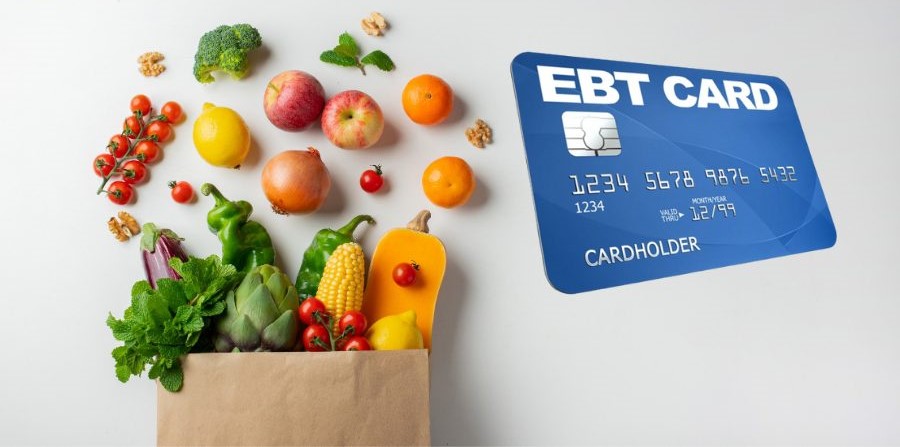
✅ Eligible Items
- Fruits and vegetables (fresh, frozen, or canned)
- Meat, poultry, fish, and eggs
- Dairy products (milk, cheese, yogurt)
- Bread, cereal, rice, and pasta
- Snack foods and non-alcoholic beverages
- Seeds and plants that produce food
❌ Ineligible Items
- Alcohol and tobacco products
- Vitamins, medicines, and supplements
- Hot prepared foods (e.g., rotisserie chicken)
- Pet food, cleaning supplies, or hygiene items
- Cosmetics and grooming products
How to Check Your EBT Balance & Stay Secure
Keeping track of your balance is essential to avoid surprises at checkout. EBT theft and skimming are serious concerns, so protecting your PIN is critical.

Ways to Check Your Balance:
- Receipt: Your remaining balance is printed at the bottom of your grocery receipt.
- Phone: Call the toll-free customer service number on the back of your card.
- Online Portal / Mobile App: Log into your state’s official EBT portal (e.g., ebtEDGE or DTA Connect) to view balances and transaction history.
🔒 Security Tips:
- Never share your PIN with anyone, including store clerks or callers claiming to be from the government.
- Cover the keypad with your hand when entering your PIN to prevent skimming.
- Change your PIN regularly and report lost or stolen cards immediately to protect your benefits.
Exclusive EBT Card Discounts & Perks
Your EBT card does more than just buy groceries. Enrolling in SNAP can get you and your household access to free and discounted perks across the country.
- Museums & Cultural Attractions: Through the "Museums For All" program, show your EBT card and photo ID at over 1,400 participating museums, zoos, and aquariums nationwide for free or reduced admission (typically $5 or less for up to four people).
- Transportation: Many cities offer free or reduced bus and subway passes, discounted ride-sharing, or state-sponsored auto insurance discounts for EBT holders.
- Phone & Internet: Qualify for the Lifeline program to get up to $9.25 off your monthly phone or internet bill (up to $34.25 on Tribal lands).
- Amazon Prime Access: Get a heavily discounted Amazon Prime membership, including free grocery delivery on eligible SNAP items.
- Education & Utilities: Access GED test fee waivers, reduced SAT/ACT fees, and assistance programs like LIHEAP for help with heating and cooling bills.